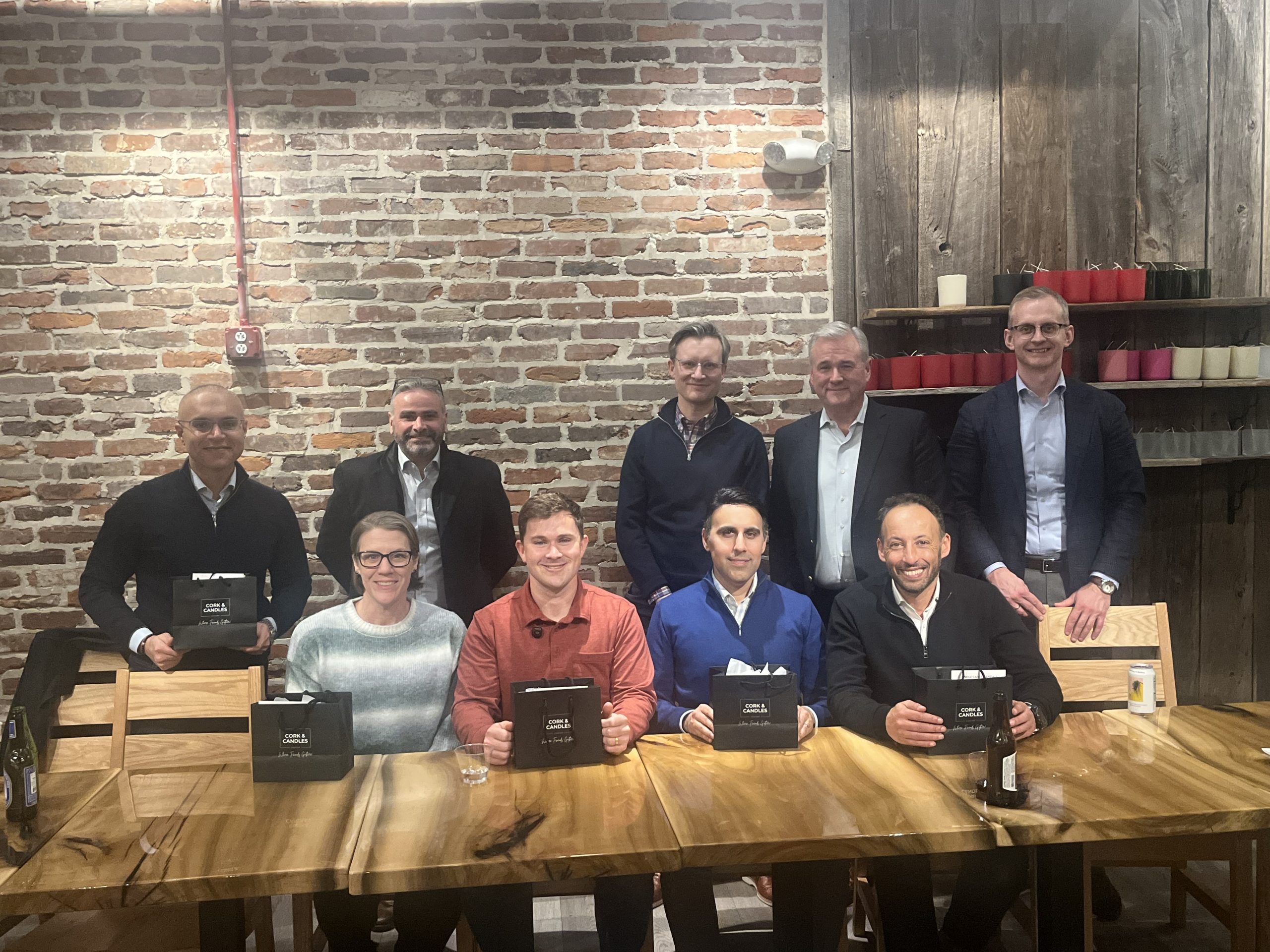
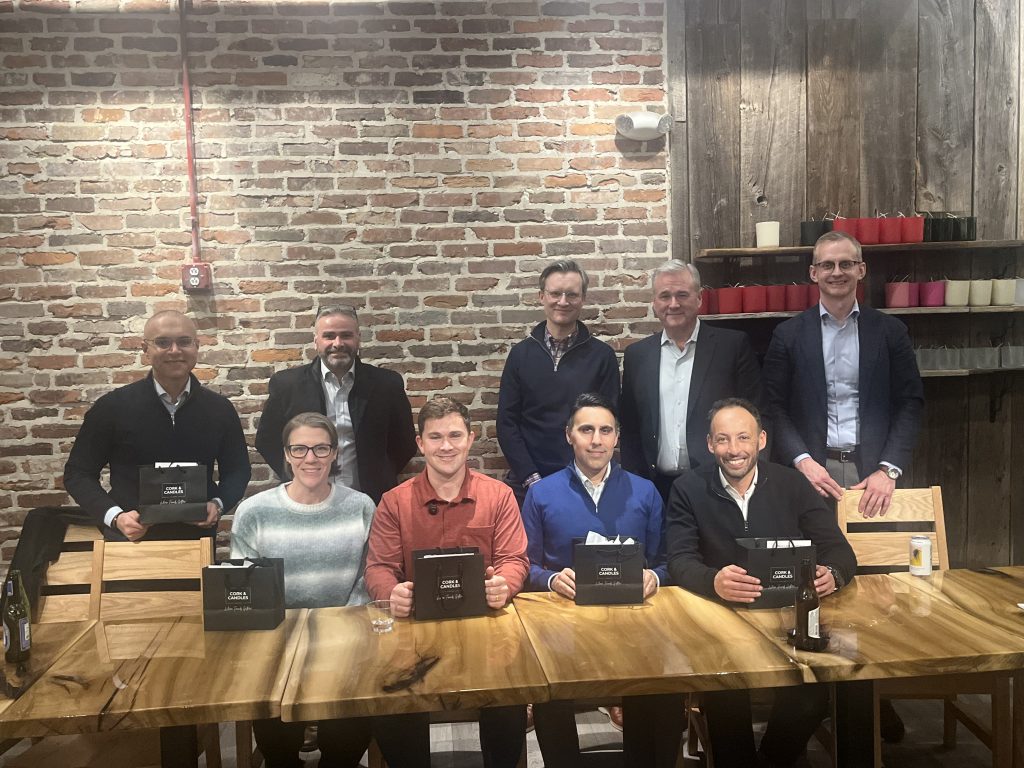
Last week, we hosted a corporate team building event at one of our Cork & Candles locations.
From the outside, it looked like a typical group booking.
People walked in, found their seats, and got settled.
But within about 15 minutes, something shifted.
Conversations picked up.
Laughter replaced silence.
People who had only met on Zoom calls before started engaging differently.
And it reinforced something we’ve seen consistently:
👉 The value of a team building event isn’t just the activity.
👉 It’s what the activity creates.
What Corporate Team Building Events Actually Show
Corporate team building events are one of the clearest windows into how this business model works.
Companies aren’t just booking space.
They’re looking for:
- interaction
- engagement
- shared experience
Traditional formats—dinners, happy hours, private rooms—can work.
But they rely heavily on conversation.
And without a shared activity, that interaction is often limited.
The Shift Toward Experience-Based Business Models
This is part of a broader shift toward experience-based businesses.
Instead of asking:
“What are we selling?”
The better question becomes:
“Why would someone choose to show up?”
That’s the foundation of an experiential business model.
And it’s why team building experiences are growing in demand.
Because they:
- give people something to do together
- lower social barriers
- create natural interaction
What Happens Inside the Experience
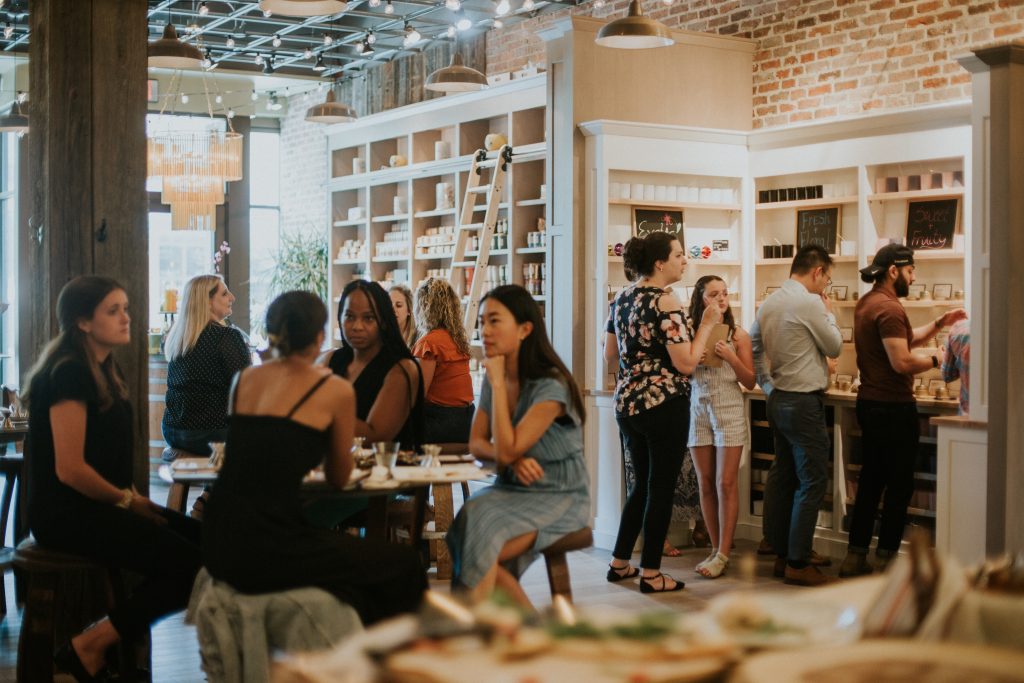
At Cork & Candles, guests don’t just sit across from each other.
They:
- choose scents
- experiment
- create something together
That changes the dynamic immediately.
Instead of:
“What do you do?”
You hear:
“What are you making?”
“That smells great — what did you use?”
The activity becomes a catalyst.
And connection happens naturally.
Why This Matters for the Business
For franchise owners, this is where the model becomes interesting.
Corporate team building events aren’t just one-time bookings.
They drive:
- high-value group revenue
- first-time customer exposure
- repeat visits (date nights, birthdays, girls’ nights)
- referrals and word-of-mouth
One event often leads to multiple future visits.
That’s a key advantage of an experience-based business model.
What We Observed in Real Time
During this event, a few patterns stood out:
- energy in the room increased quickly
- participation was consistent across the group
- people stayed engaged throughout the experience
There were no forced icebreakers.
No structured networking.
Just a shared activity.
And that was enough.
Why Team Building Events Matter for Franchise Growth
For anyone evaluating a team building events business or franchise opportunity, this is worth paying attention to.
Because demand isn’t driven by:
- price
- convenience
- product selection
It’s driven by:
👉 the desire to gather, connect, and experience something together
That creates a different kind of business dynamic.
One built around:
- occasions
- repeatability
- social behavior
A Different Way to Think About Retail
At its core, this isn’t a traditional retail business.
It’s a hospitality-driven experience.
Products can be replicated.
Experiences—especially shared ones—cannot.
That distinction is what makes this model durable.
Final Thought
That team event was unique.
It wasn’t representative. It wasn’t “just another happy hour”.
It reflected a broader shift in how people:
- spend their time
- connect with others
- choose where to go
And for the right operator, that shift creates a different kind of opportunity.
Curious About the Model?
If you’re interested in learning more about how experience-based businesses like Cork & Candles operate—and why corporate events are such a meaningful part of the model—we’re happy to share more.