For decades, traditional retail franchises followed a familiar playbook: open a storefront, stock products, rely on foot traffic, and compete on price or convenience. But as we move into 2026, that model is no longer enough.
Consumers aren’t just shopping differently. They’re valuing differently.
The franchises that are outperforming today, and will continue to outperform in the years ahead, aren’t selling products. They’re selling experiences.
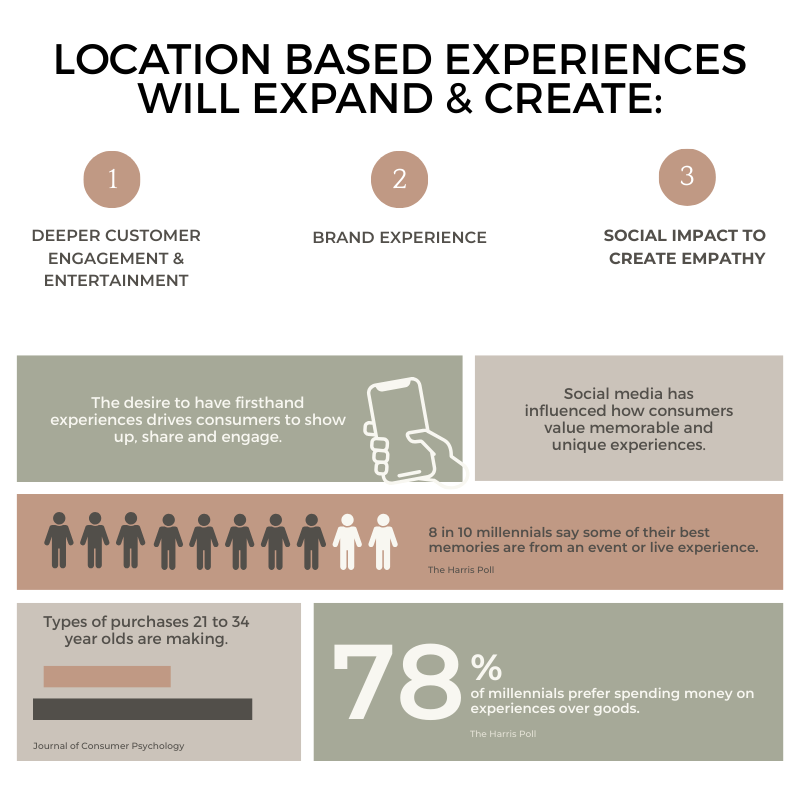
The Shift from Ownership to Experience
Modern consumers, especially Millennials and Gen Z, are prioritizing experiences over things. This isn’t a trend driven by novelty; it’s driven by lifestyle. People are spending more intentionally, looking for moments that feel meaningful, social, and worth remembering. A candle purchased online can be delivered in two days. An experience, a date night, a celebration, a shared memory, cannot.
Experiential franchises thrive because they offer something ecommerce can’t replicate: presence, participation, and connection.
Retail Is Transactional. Experiences Are Emotional.
Traditional retail franchises operate on transactions. A customer walks in, makes a purchase, and leaves. The relationship often ends there.
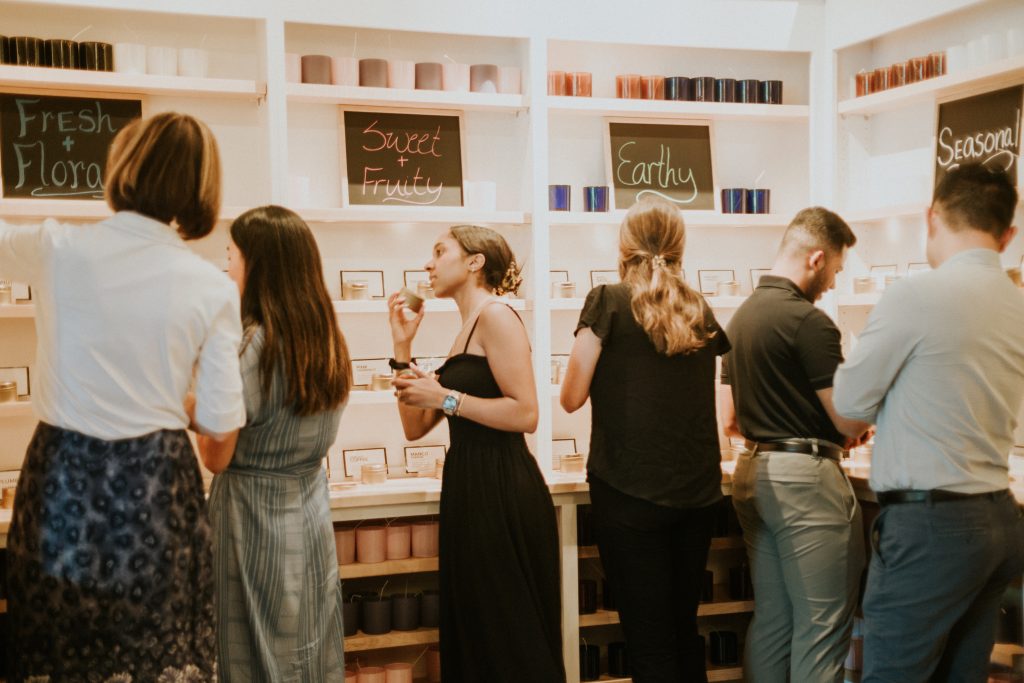
Experiential franchises operate on emotion. Guests don’t just buy something they do something. They spend time, engage with others, and leave with a sense of accomplishment or joy. That emotional engagement creates stronger brand recall, higher satisfaction, and significantly more word-of-mouth marketing.
When people talk about their weekend plans, they don’t say, “I bought a candle.”
They say, “We went candle making together.”
That difference matters.
Built-In Demand Through Life Occasions
One of the biggest advantages experiential franchises have over traditional retail is built-in demand. Experiences are naturally tied to life moments:
- Date nights
- Birthdays
- Bridal showers and bachelorettes
- Corporate team building
- Anniversaries and milestones
These occasions happen regardless of economic cycles. While discretionary retail spending can fluctuate, people continue to celebrate, gather, and mark meaningful moments.
Experiential franchises don’t have to convince people why they need the product. The occasion already exists and the franchise simply becomes the solution. Because experiences are memorable, customers are more likely to return, recommend, and gift them to others. Experiential franchises benefit from higher repeat visitation, stronger loralty, increase social sharing and user-generated content, and organic local marketing through word-of-mouth.
Traditional retail often relies heavily on paid traffic to drive repeat purchases both in-store and online. Experiential brands benefit from “built-in marketing” as guests naturally share photos, videos and stories of their time spent in the space.
Operational Advantage with Less Inventory
Traditional retail franchises are exposed to inventory risk, shrinkage and changing consumer preferences. Overstocking and markdowns eat into margins quickly and consumer continuously expect to receive a discount. Experiential franchises operate with predictable supply usage, guided processes, controlled environments, and lower SKU complexity. When paired with strong systems, training, and safety standards, experiential models offer a level of operational consistency that many retail franchises struggle to maintain.
The future of franchising isn’t about selling products off shelves. It’s about creating spaces where people gather, connect, and leave with something they helped create.
That’s not just good branding.
It’s good business.
Ready to be awarded your franchise opportunity by Cork & Candles?